
Community
How to interpret Minnesota’s election results
By Katherine Langford
Advertisement · Why this ad?
Katherine oversees editorial operations across all six brands. Before joining The Meridan Group, she spent 14 years at the Minneapolis Star Tribune, where she led the metro desk through its digital transformation. She holds a Master's in Journalism from Northwestern's Medill School.
More from Katherine →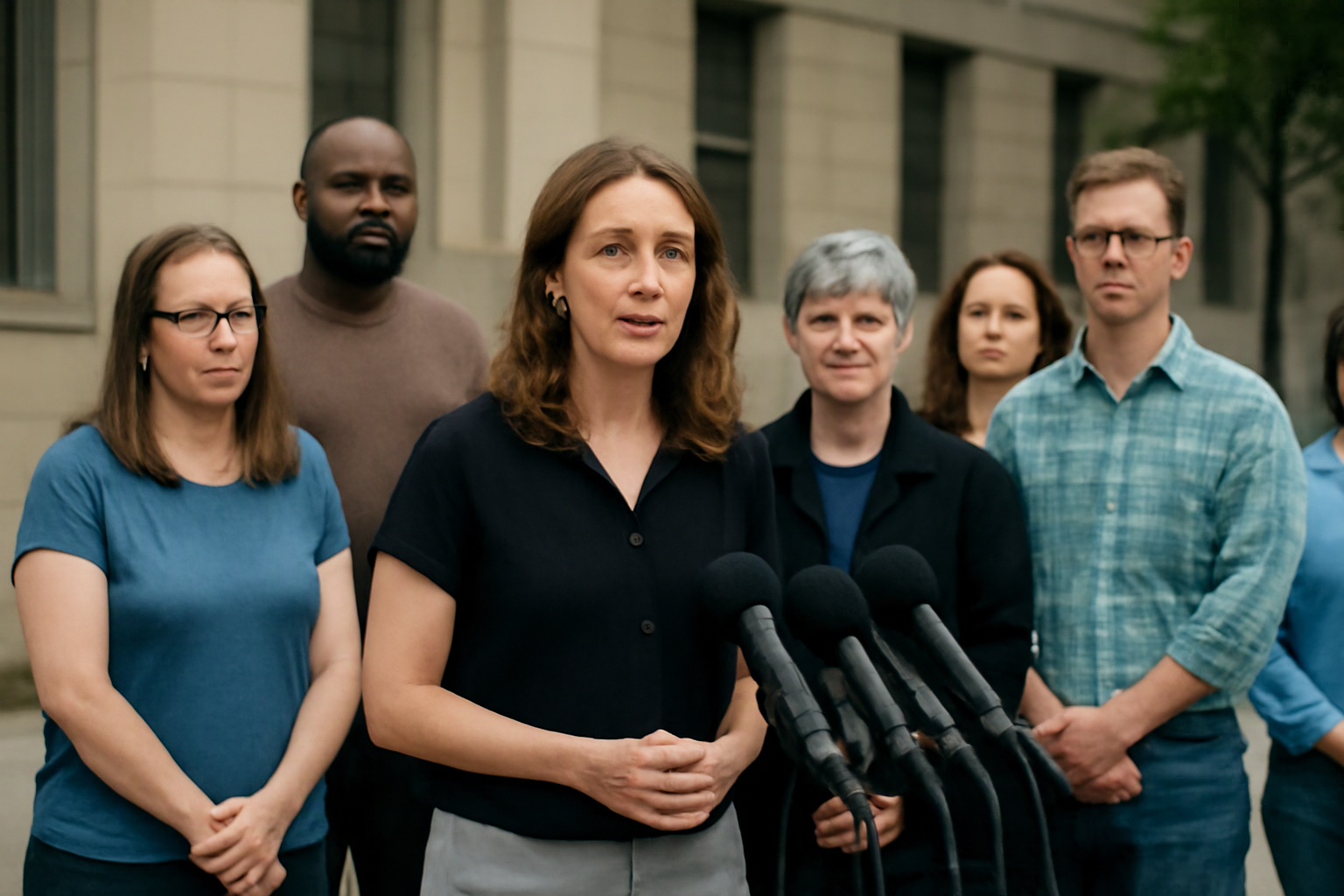
In the heart of Minneapolis, a small gathering of community members stood in front of the Hennepin County Government Center, their expressions a mixture of concern and determination. They were there to voice their support for fellow Minnesotans facing federal charges related to anti-ICE protests that erupted in the past few years. As the sun dipped below the skyline, casting long shadows over the crowd, the reality of their situation became clear: more than three dozen individuals had been charged, but many of those cases were now being downgraded or dismissed.
The wave of federal charges against Minnesotans began in 2020, during a time of heightened tension surrounding immigration policies and the actions of U.S. Immigration and Customs Enforcement (ICE). The protests, which were largely peaceful, aimed to challenge the aggressive deportation tactics employed by ICE. However, as the demonstrations escalated, so too did the federal response, resulting in numerous arrests and subsequent charges against participants.
As of today, approximately 36 individuals have faced federal charges, with many stemming from incidents that occurred during these protests. The charges ranged from misdemeanors to more serious felonies, reflecting the government's stance on maintaining order during civil unrest. Yet, as the legal process unfolded, many of these charges have been downgraded or dismissed entirely, raising questions about the motivations behind the initial federal response.
The ramifications of these federal charges extend far beyond the courtroom. Families of those charged have reported feelings of fear and uncertainty, as the specter of legal consequences looms over their loved ones. For many, these cases represent not just a legal battle but a personal one, impacting their jobs, relationships, and mental health.
One such family is the Martinez family, whose son, Alejandro, was charged during a protest in 2020. His mother, Rosa Martinez, spoke passionately about the emotional toll this has taken on their family. “We just want him to come home and be able to live his life without this hanging over him,” she said, her voice trembling with emotion. “He was just standing up for what he believes in.” Rosa is not alone; many families in the Twin Cities are navigating similar struggles, with parents, siblings, and friends rallying around those charged. Community members have formed support networks to help provide emotional and financial assistance, demonstrating the strength of solidarity in the face of adversity.
The legal landscape surrounding these cases is complex. Many of the charges have been brought under federal statutes that allow for severe penalties, which can deter individuals from participating in future protests. However, as the cases progress, defense attorneys have been successful in negotiating downgrades or dismissals, citing issues such as lack of evidence and overreach by federal authorities.
Legal experts note that the downgrading of charges may reflect a broader trend in how federal authorities are handling civil disobedience cases, especially in the context of protests against systemic injustices. Attorney Lisa Johnson, who represents several of the charged individuals, emphasizes the importance of due process. “We are seeing a shift where the legal system is recognizing that many of these individuals were exercising their First Amendment rights,” she stated. This evolving legal perspective is crucial in a time when many feel that their rights to protest are under threat.
The community response to these federal charges has been one of solidarity and resilience. Local organizations, such as the ACLU of Minnesota, have stepped in to provide legal aid and support for those affected. Additionally, community gatherings and fundraisers have emerged to help cover legal costs and provide resources for families navigating this difficult time. Events like bake sales, car washes, and benefit concerts have not only raised funds but also fostered a sense of community and shared purpose.
Moreover, faith-based organizations have played a crucial role in this response. Churches across the Twin Cities have opened their doors to provide comfort and support for those impacted. Pastor John Rodriguez of the Hope Community Church remarked, “We believe in standing up for justice and supporting our neighbors in times of need. It’s our Christian duty to help those who are suffering.” This sentiment resonates deeply in a community where many view these protests as a moral imperative to fight against unjust practices. The involvement of local faith leaders has helped bridge gaps, encouraging dialogue and understanding among diverse groups.
As these cases continue to unfold, the community remains vigilant and hopeful. With many charges being dismissed or downgraded, there is a growing sense that the tide may be turning in favor of those who stood up for their beliefs. Advocacy groups are calling for broader reforms to ensure that individuals can express their dissent without fear of severe legal repercussions. The Minneapolis City Council has begun discussions on potential policy changes that would protect the rights of protestors, emphasizing the importance of free speech in a democratic society.
Looking ahead, the Minneapolis community is focused on fostering a culture of dialogue and understanding. Events aimed at bridging divides between law enforcement and community members are being organized, with the hope of building trust and ensuring that all voices are heard. “We must come together as a community to address these issues,” said community leader Sarah Thompson. “Only then can we truly move forward.” The importance of these conversations cannot be overstated, as they are essential for healing and moving past the divisions that have surfaced in recent years.
For families affected by these federal charges, resources are available to assist them during this challenging time. Organizations like the Minnesota Legal Services Coalition provide free legal assistance and guidance for those navigating the complexities of the legal system. Additionally, the State of Minnesota offers various support services aimed at helping families in crisis. These resources are vital in ensuring that families do not feel isolated in their struggles.
Community members are also encouraged to reach out to local churches and organizations for emotional and spiritual support. Many faith-based groups are providing counseling services and support groups for individuals and families grappling with the stress of legal battles. The emotional toll of these charges is profound, and having a support system can make a significant difference in the lives of those affected.
By Katherine Langford
By Katherine Langford

By Katherine Langford
By Katherine Langford